Snorkelling in Mauritius: The Best Spots and When to Go
Mauritius is ringed by a coral reef that encloses calm, shallow lagoons, which makes it one of the easiest places in the Indian Ocean to snorkel. The best spots are at the reef edge rather than off the beach, so the finest snorkelling is reached by boat, with the east coast lagoon near Île aux Cerfs among the most rewarding.
Why Mauritius is such an easy place to snorkel
Next: The best snorkelling spots in Mauritius, coast by coastAlmost the whole island is surrounded by a barrier reef a kilometre or two offshore. Inside it the water is shallow, warm and flat, with sand bottoms and scattered coral heads; outside it the ocean drops away. That reef is the reason you can swim in near-still water in a place that faces the open Indian Ocean, and it is also where the fish live. Snorkelling in Mauritius is therefore a matter of getting to the reef, and the reef is a boat ride away.
Visibility inside the lagoon is usually ten to twenty metres on a calm morning, the water sits between 24 and 29 degrees through the year, and there is nothing in it that wants to hurt you beyond the coral itself, which cuts if you stand on it. Children, nervous swimmers and people who have never worn a mask do well here, which is why we have had three generations of the same families snorkel with us.
The best snorkelling spots in Mauritius, coast by coast
Next: What you will seeThe east coast: Trou d'Eau Douce and Île aux Cerfs
This is our water. The east coast holds the largest lagoon in Mauritius, and the reef that protects it runs past Île aux Cerfs and the small islands south of it. The spot we have used since 1995 sits where the lagoon shelves towards the reef: two to five metres deep, protected from the swell, with coral heads full of parrotfish, butterflyfish, trumpetfish and the occasional lionfish holding still under a ledge. Green and hawksbill turtles graze the seagrass nearby and we see them on roughly eight trips out of ten.
Our catamaran cruises stop here, usually at about eleven, after the GRSE waterfall and before lunch, and the private boats can too. Gear is on board and the crew goes in with you. It is a working reef, not a marine park, and the fish behave accordingly: unbothered, close, and plentiful.
Blue Bay Marine Park, south-east
Blue Bay, near the airport, is the island's protected marine park and the place most guidebooks name first. The coral is in good condition, the water is very clear and glass-bottom boats run from the beach. It is also popular, so the best of it is early in the morning. If you are staying in the south or combining it with a flight day, it is well worth a couple of hours.
The north and north-west: Trou aux Biches, Pointe aux Piments and Coin de Mire
The north-west coast has gentle beach snorkelling at Trou aux Biches and Pointe aux Piments, with turtles seen regularly close to shore. From Grand Baie, boat trips head out to Coin de Mire and the northern islets, where the water is deeper and the visibility often the best on the island. These are longer days with more open water and suit confident swimmers.
The west and south-west: Flic en Flac, Tamarin and Le Morne
Flic en Flac has a long, accessible reef that is also the island's main diving coast, and Tamarin Bay is where early-morning dolphin trips leave from. Further south, the lagoon off Le Morne and Île aux Bénitiers is shallow, scenic and sheltered. Afternoons on the west coast are often calmer than on the east, which matters if you can only go late in the day.
Belle Mare and the east coast beaches
North of Trou d'Eau Douce, the Belle Mare and Palmar stretch has beach snorkelling over sand and seagrass. It is pleasant for a swim with a mask but thin on coral; for the proper reef, you still want a boat.
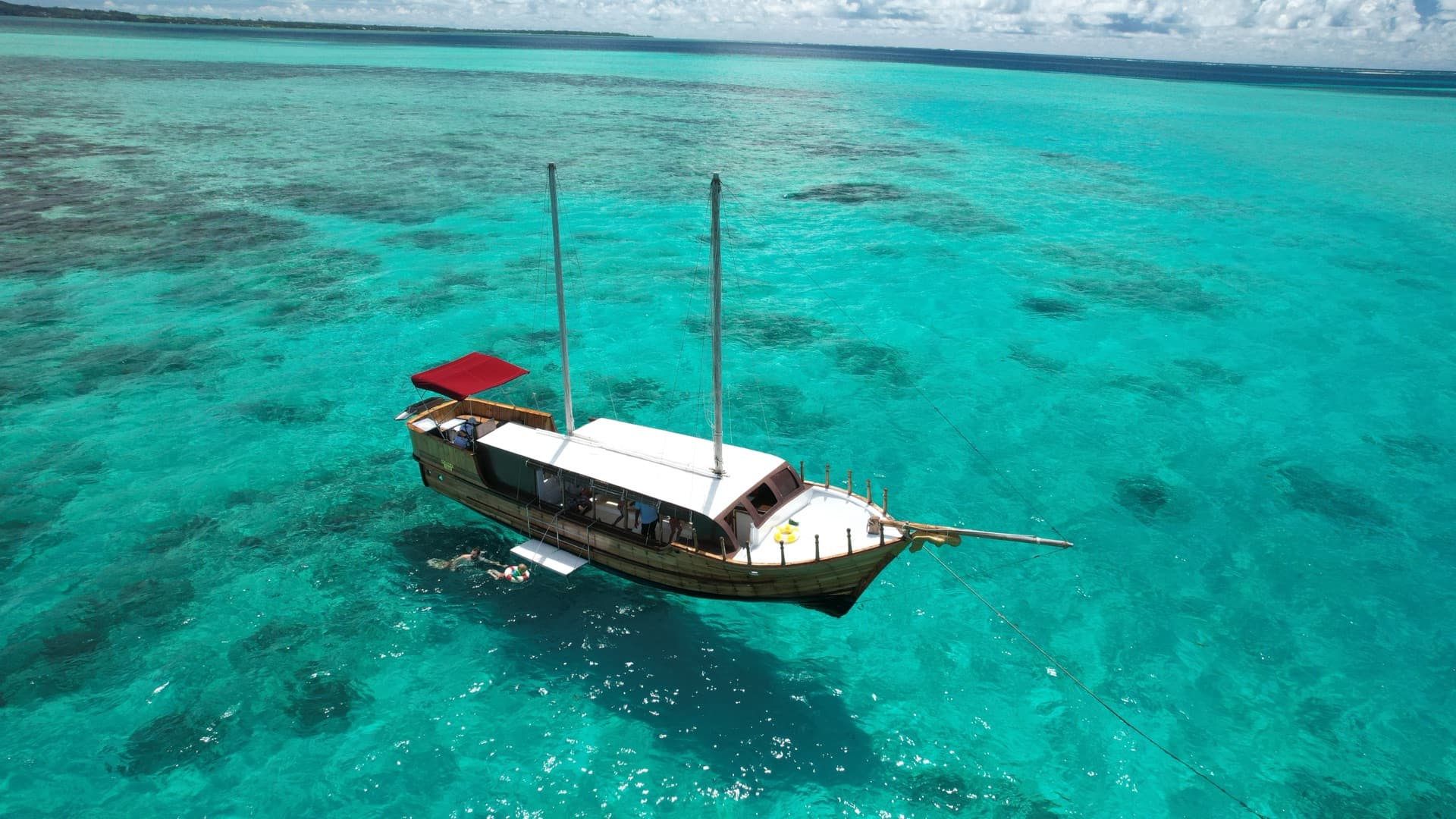
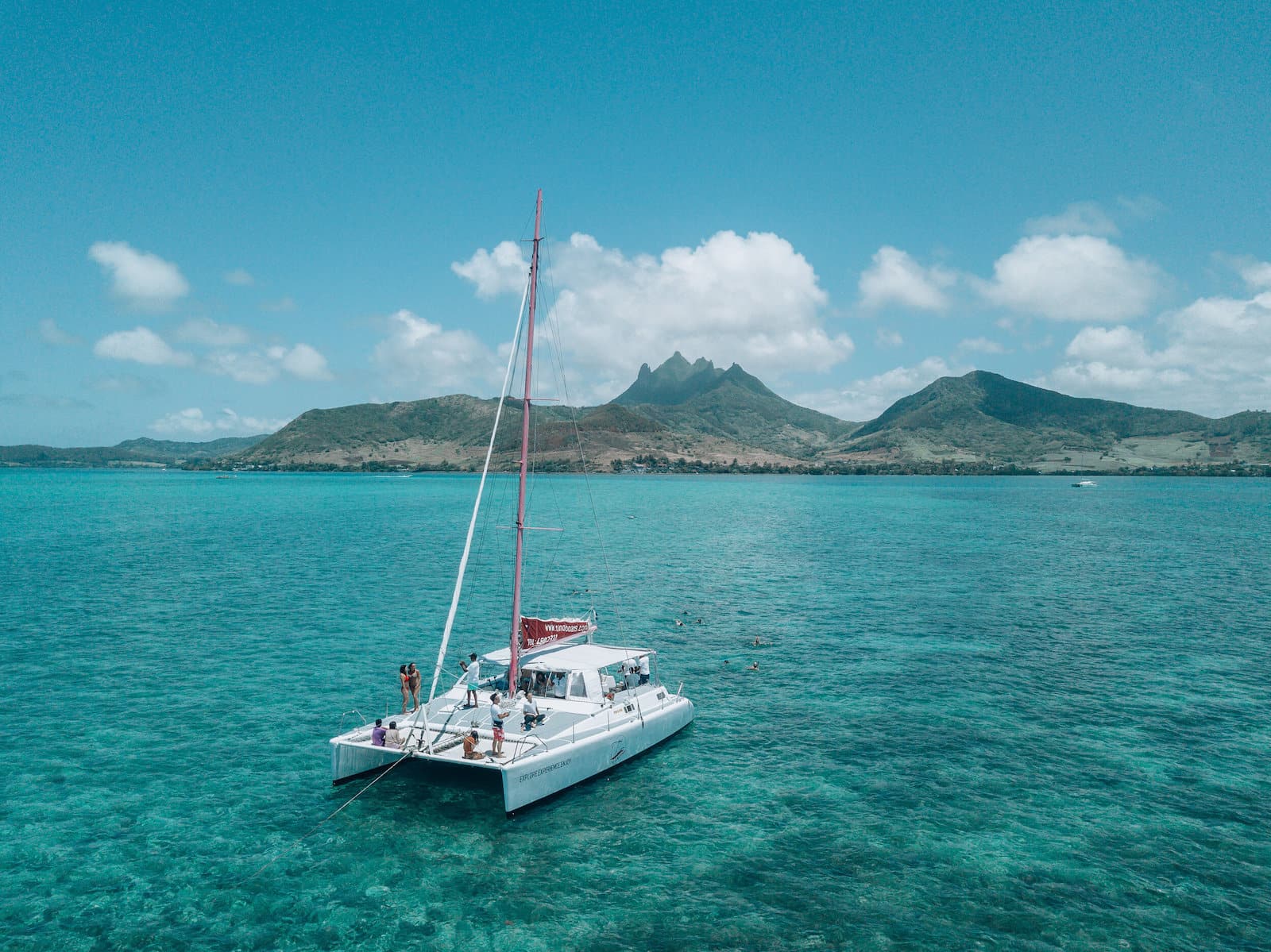
Catamaran Cruise to Île aux Cerfs
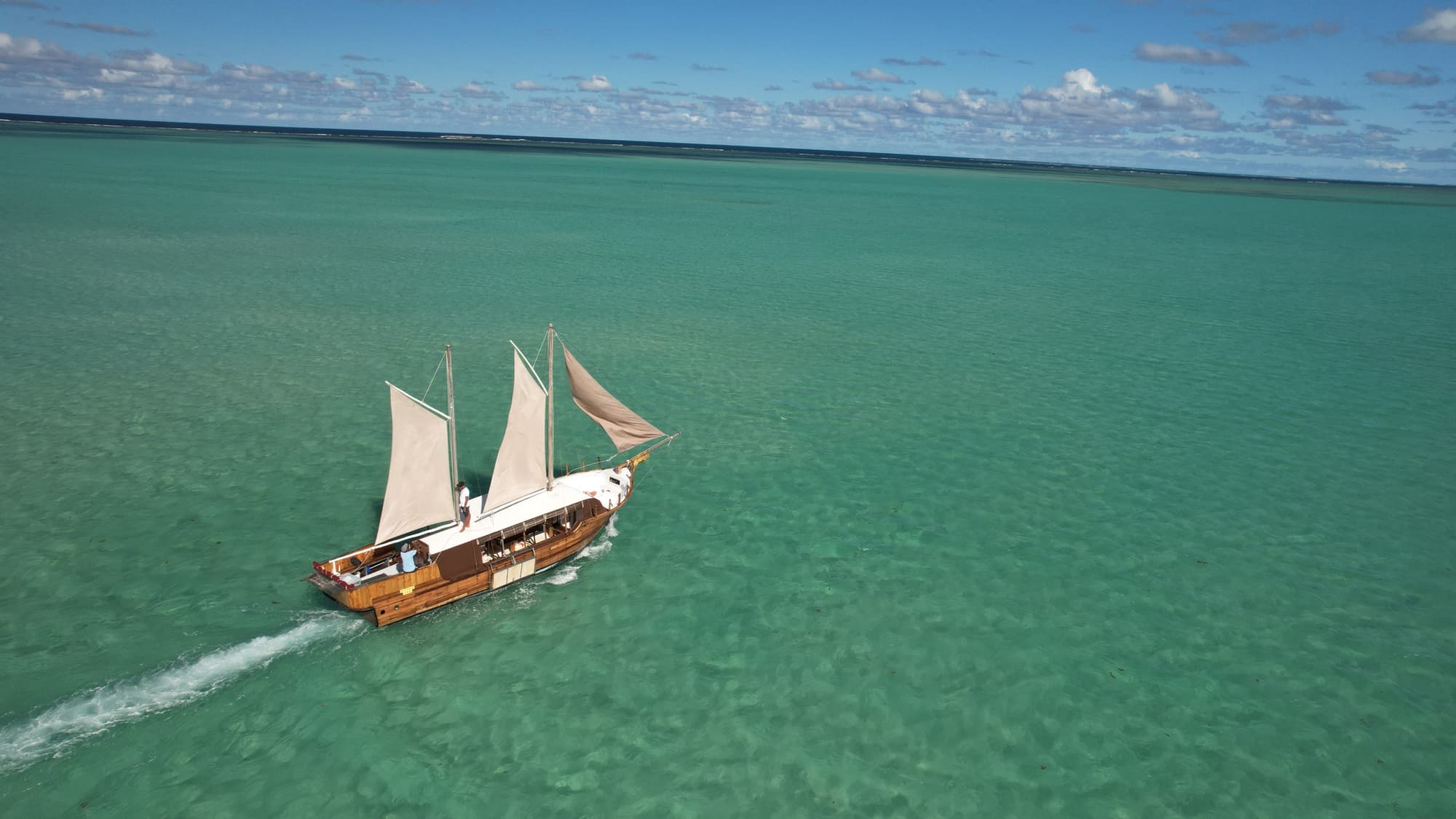
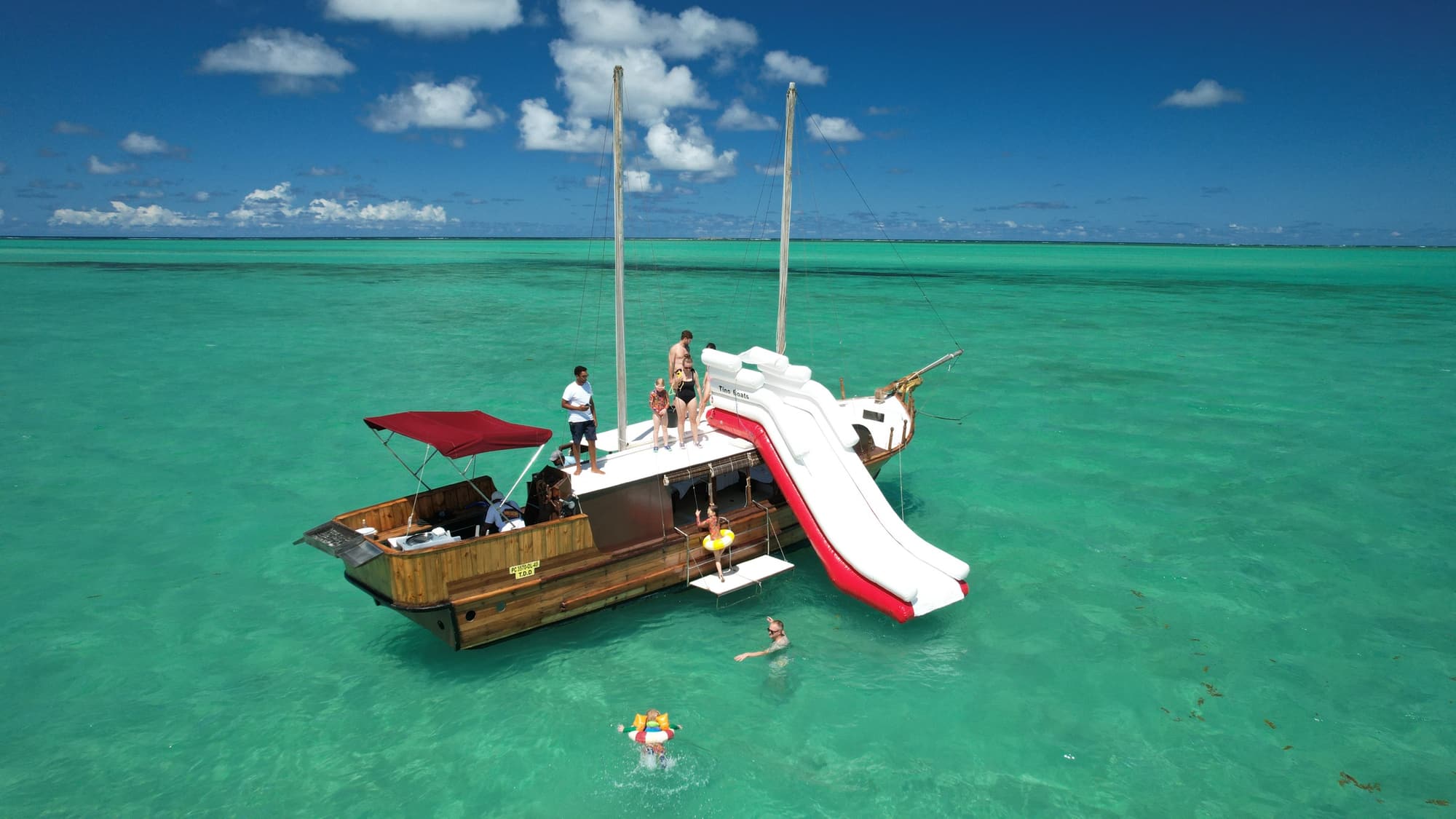
Jump on board our large and spacious catamaran and enjoy a refreshing, relaxing day cruising on turquoise water. Snorkelling • The GRSE waterfall • BBQ lunch on board • Île aux Cerfs.
What you will see
Next: When to go- Parrotfish in half a dozen colours, grinding the coral loudly enough to hear underwater
- Butterflyfish and angelfish in pairs over the coral heads
- Trumpetfish hanging vertically among the branching coral
- Clownfish guarding their anemones in the shallows
- Moray eels, usually just a head in a hole
- Green and hawksbill sea turtles over the seagrass; they are wild, so sightings vary with their mood
- Octopus, if you are patient and look at the rubble rather than the fish
- Lionfish and the occasional stonefish, which is the one reason not to stand on anything you cannot see
The reef is where the fish live, and the reef is a boat ride away.
The whole of this guide, in one line
| Months | Water | Conditions | Notes |
|---|---|---|---|
| October to December | 27 to 28 degrees | Calm, clear, warm | The sweet spot: peak visibility before the summer rains |
| January to March | 28 to 29 degrees | Warm, occasional heavy rain | Cyclone season; most days are fine, some are rescheduled |
| April to May | 26 to 27 degrees | Calm, clear | Underrated: quieter and still warm |
| June to September | 24 to 25 degrees | Breezy on the east coast | Mornings are best; a rash vest keeps you comfortable |
In every month the lagoon is calmest in the morning, which is why our trips reach the reef before noon.
Snorkelling from a boat versus from the beach
Next: Gear and reef etiquetteBeach snorkelling in Mauritius is easy and free, and in a few places (Blue Bay, Trou aux Biches) genuinely good. But the lagoon floor near most beaches is sand and seagrass; the coral and the fish concentrate at the reef, and the reef is a long swim out. A boat drops you on top of it, rested, with a ladder to climb back up and someone watching the water. For first-timers and families that is not a luxury, it is the difference between a nice swim and the thing you talk about for years.
On our catamaran days the snorkelling stop is one chapter of a full day: the waterfall first, the reef at mid-morning, lunch, then Île aux Cerfs. Masks, snorkels and fins are on board, and the 5 Island Tour adds a swim and apéro stop at a second site.
Gear and reef etiquette
Next: Frequently asked questions- Use reef-safe sunscreen and put it on well before you get in; better still, wear a rash vest and let it do the work
- Never stand on, hold or kick the coral. If you need a rest, float, or swim to sand
- Do not feed the fish; it changes their behaviour and the reef's balance
- Keep a few metres from turtles and let them come to you; they will if you are still
- Defog your mask with a drop of soap or a spit and rinse, and clear your hair from the seal
- If you wear glasses, tell the crew: a mask with a reasonable fit matters more than a perfect prescription
Mauritius sea excursions
Aerial views of the turquoise water we call home.
Frequently asked questions
The questions guests ask us at the jetty, answered the way we answer them there.
Where is the best snorkelling in Mauritius?
At the reef edge rather than off the beach. The east coast lagoon near Île aux Cerfs, Blue Bay Marine Park in the south-east and the islets north of Grand Baie are the most rewarding, and all are best reached by boat in the morning when the water is calmest.
Can you snorkel at Île aux Cerfs?
The beach itself is sand, so the real snorkelling is at the reef on the way, where full-day boat trips stop with equipment provided. Expect parrotfish, butterflyfish, trumpetfish and, often, sea turtles.
Is snorkelling in Mauritius good for beginners?
Yes, among the best anywhere. The lagoon is shallow, warm and sheltered by the reef, there is nothing dangerous in the water, and on our trips the crew is in the water with you and a ladder is a few metres away.
What is the best month for snorkelling in Mauritius?
October to December gives the clearest, warmest water before the summer rains; April and May are a quiet second choice. June to September is cooler and breezier on the east coast, so go in the morning.
Do I need to bring my own snorkelling gear?
Not on a Tino Boats trip: masks, snorkels and fins are included on every boat. Bring a rash vest and reef-safe sunscreen. If you have a mask you love, by all means bring it.
Will I see turtles snorkelling in Mauritius?
Very likely on the east coast. Green and hawksbill turtles live in the lagoon and we see them on about eight trips out of ten. They are wild animals, so there is never a guarantee.
Is there anything dangerous in the water?
Nothing that is looking for you. Stonefish and lionfish exist, which is why you never stand on anything you cannot see, and coral cuts if you touch it. Shark encounters inside the lagoon are essentially unheard of.